Our Technology
Revolutionising the face of radiology
As diagnostic imaging continues to undergo rapid change we pride ourselves on being at the forefront in all areas, and in particular technology. We are committed to implementing the latest digital radiology across our entire network and leveraging the myriad benefits this will bring to our referring doctors, their patients and our staff.
Advanced technology, superior clinical outcomes
Maintaining our position at the cutting edge of technology is an important part of our service delivery, enabling us to ensure superior clinical outcomes in a cost effective and efficient manner.
Integrated Radiology Information System and Picture Archiving Communications System (RIS/PACS)
The I-MED Network has a state-of-the-art RIS/PACS system and digital imaging technology across its entire network allowing for the distribution, storage and retrieval of all our digital images. This integrated system provides our radiologists with rapid access to reports and recent prior images for comparative purposes.
The RIS/PACS delivery and information platform captures all images in a digital format, facilitating image manipulation and enhancement, significantly improving diagnostic capabilities.
I-MED Online
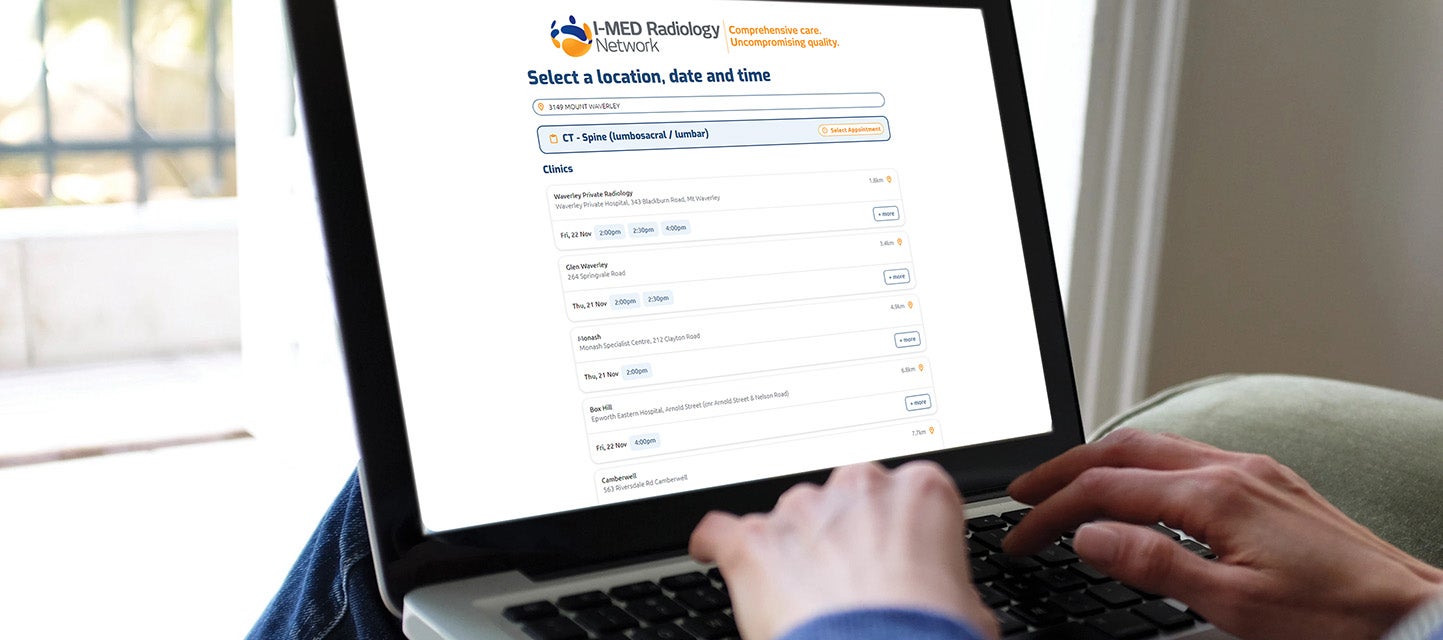
I-MED Online is a new method of delivering medical images and reports directly to referring doctors using the benefits of broadband internet to complement hard copy film. It is powered by a platform that uses secure encryption technology to maintain patient privacy.
Referring doctors can log onto the password-driven secure Picture Archiving and Communications System (PACS) from work or home 24/7 and immediately review their patients’ images and reports simultaneously. This free service is easy to install and simple to use requiring only broadband access and a computer with a Windows based platform.
I-MED Online iPhone / iPad app
Pre-registered and approved medical professionals can now download the new I-MED Online iPhone/iPad app from the Apple iTunes store. When logged in to the app, doctors will be able to access view-only diagnostic images along with a patient’s imaging history. This will be particularly useful for referring doctors who practice at a number of clinics or spend a lot of time on the go as it will allow them to view incoming scans from their iPhones or iPads and act on critical cases with speed. The app is currently available to Queensland and Western Australia referrers, and will be rolled out to other states by the end of 2011. Visit the iTunes store to download the app.
Latest imaging equipment
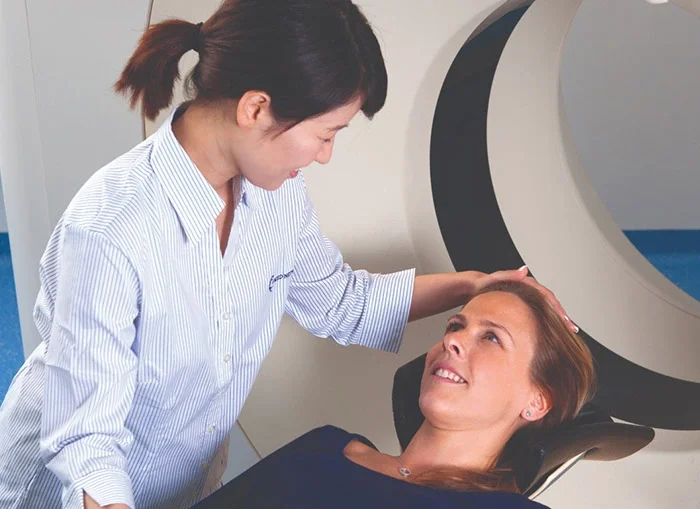
The I-MED Network is committed to providing the very latest imaging equipment across our network. Currently we operate approximately 40 high field Magnetic Resonance Imaging (MRI) units, including nine 3Tesla magnets, with the capability for breast and other specialist imaging including gynaecological and abdominal.
The network also has more than 135 CT scanners, including cardiac imaging scanners, and 52 nuclear medicine facilities including four Medicare eligible PET/CT facilities in Brisbane, Melbourne, Adelaide and Hobart.
Teleradiology
I-MED’s use of teleradiology sees the Network move a whopping six to seven terabytes of information and medical images every week across its network. MRI, ultrasound and x-ray images can be taken in one location and analysed by a radiologist in another, effectively sharing expertise, smoothing workloads and providing services to patients in rural and remote settings. It also means images can be sent instantly to referring doctors for faster patient notification and treatment.
I-TeleRAD is the I-MED Network’s teleradiology reporting service, one of the largest and most sophisticated systems of its kind in Australia.
3-D Lab
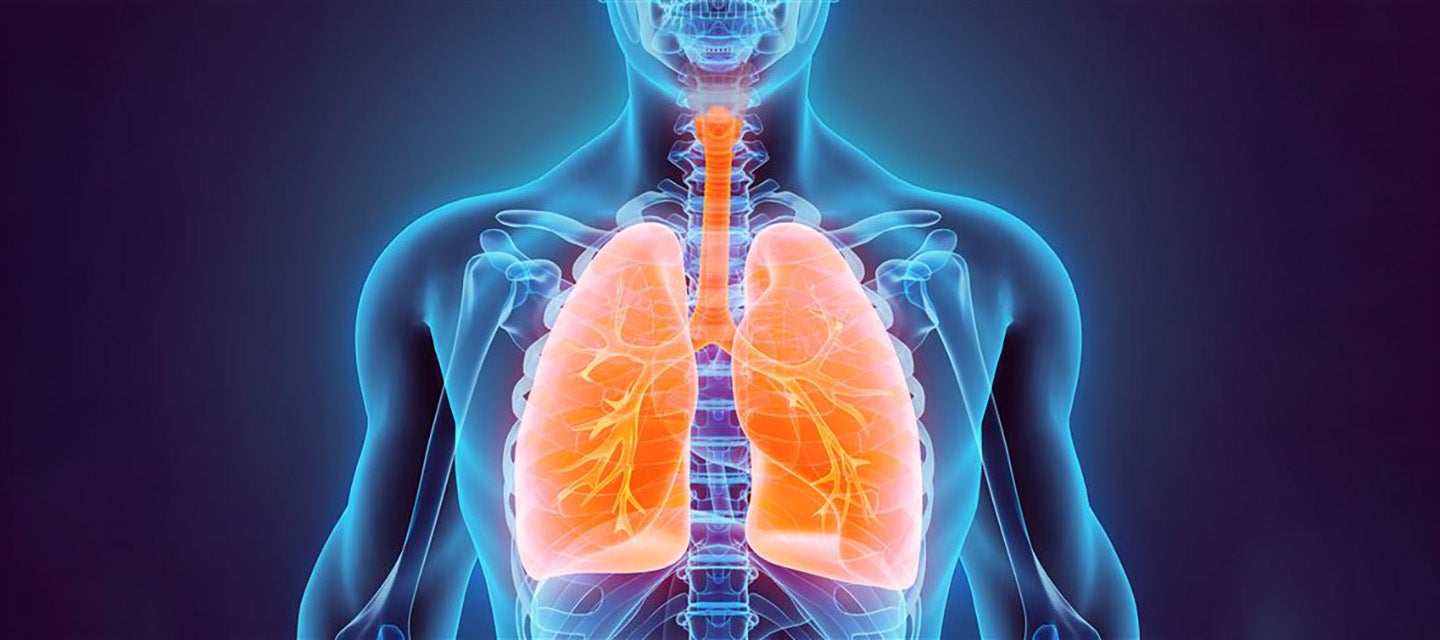
We have also introduced a virtual 3-D Lab comprising centrally based servers with highly advanced software that enable instant computer-aided diagnosis and reporting of patient MRI and CT scans. The new development will allow radiologists at any of I-MED’s 200 clinics access to the latest and most comprehensive advanced imaging tools, ultimately improving diagnostic accuracy and patient outcomes.