Patient information about the National Lung Cancer Screening Program (NLCSP)
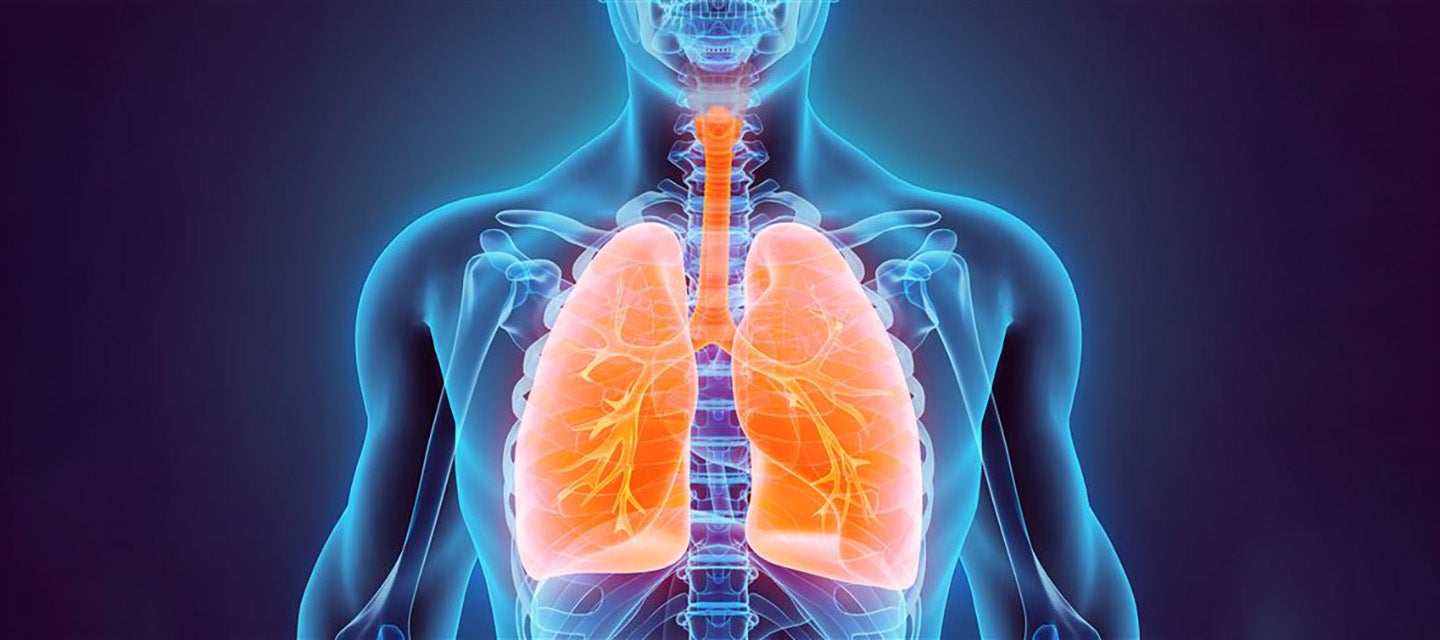
The National Lung Cancer Screening Program (NLCSP), in place from 1 July 2025, is a screening program using low dose computed tomography (CT ...
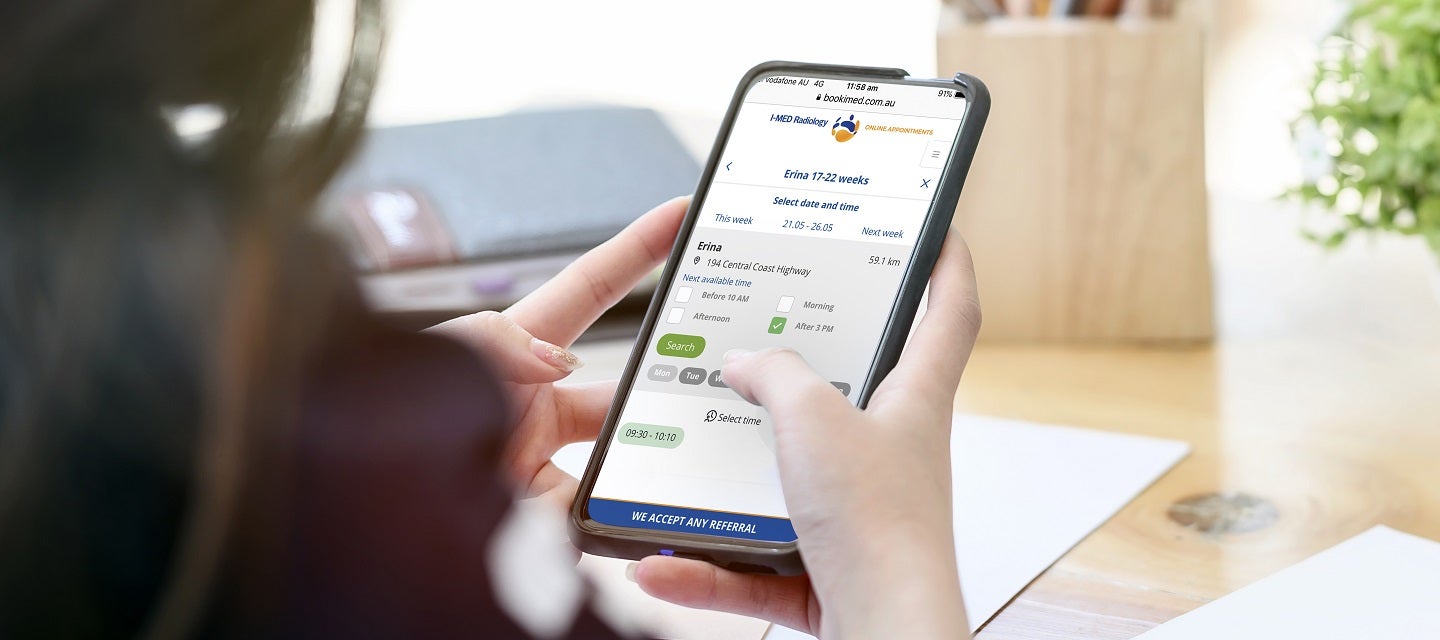
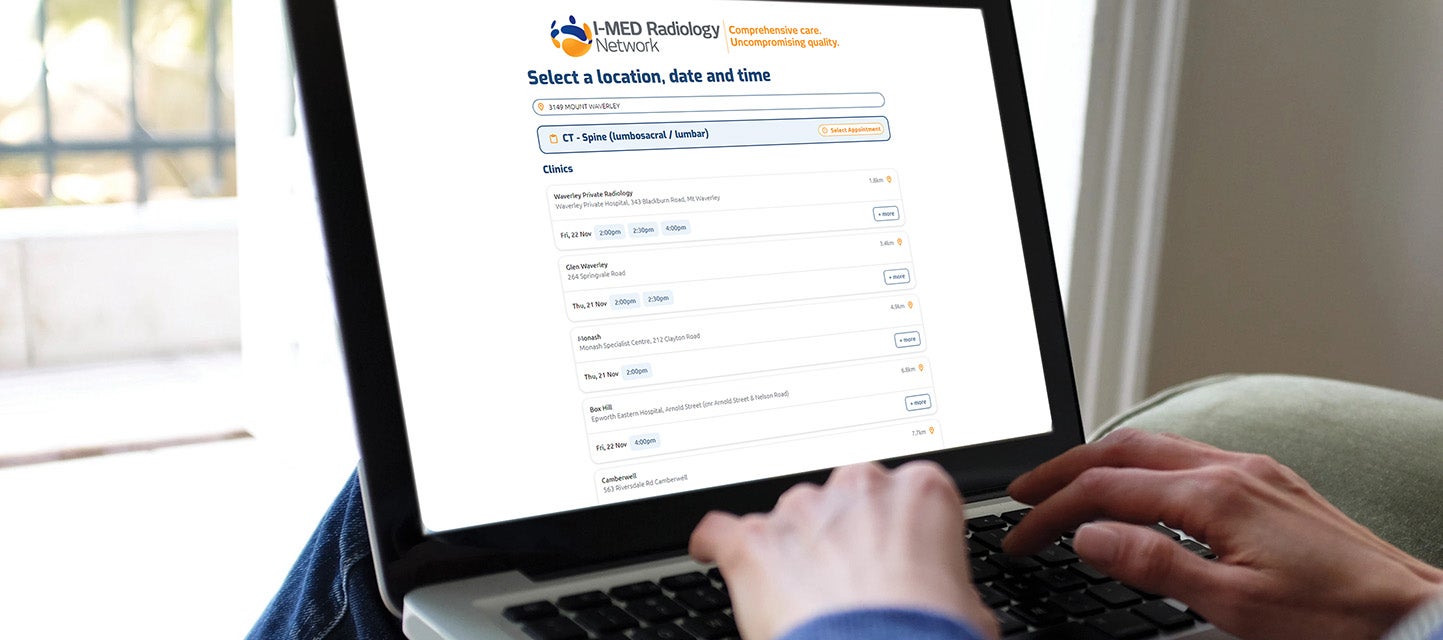
Book now with I-MED Radiology — it’s quick, easy, and saves you waiting on the phone. Choose a date, time, and location that suits you — confirmed in 3 easy steps. Remember to have your referral handy. When you need answers, we're here to support you and your doctor to early and accurate diagnoses.
Book now with I-MED Radiology — it’s quick, easy, and saves you waiting on the phone. Choose a date, time, and location that suits you — confirmed in 3 easy steps. Remember to have your referral handy. When you need answers, we're here to support you and your doctor to early and accurate diagnoses.
When our radiologist has finalised your results, I-MED will send a report directly to your referring practitioner. It is important to speak with your health practitioner about your results, to understand what they mean and complete follow-up treatment.
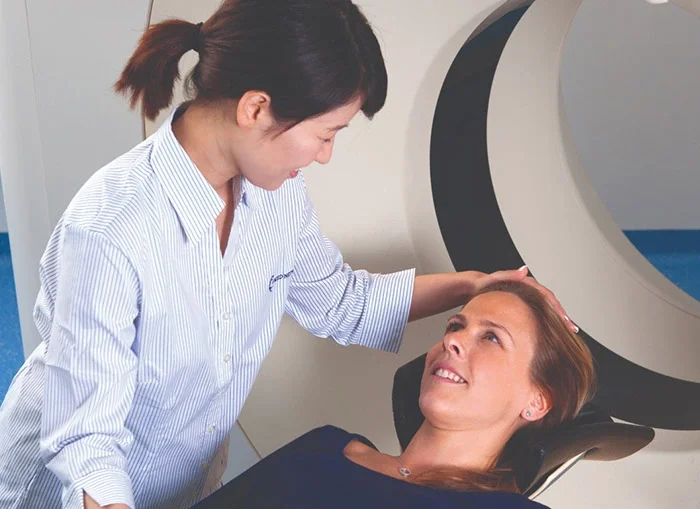
I-MED Radiology clinics offer a range of imaging procedures including MRI, CT scans, x-ray, ultrasound and nuclear medicine. With the largest team of sub-specialist radiologists, practitioners and patients can be assured of the highest quality imaging and diagnosis.

Easily access procedure-specific instructions, to be fully prepared for your appointment. Some scans don’t require any preparation at all such as x-ray and some CT scans, however many scanning procedures do and you will receive preparation instructions from our clinics when you book your procedure online.